The real problem begins after distribution
On production day, everything can be correct. The name is right, the phone number works, the employee has the expected role, the booking page is live, the location is open, and the website path resolves exactly as planned. A printed object can therefore look finished and reliable even though its most important risk has not yet appeared.
The risk appears later because physical and digital lifecycles move at different speeds. A card, tag, stand, sign, package, menu marker, review point, or printed QR code may remain in circulation for months or years. During that time, the business behind it keeps changing. Employees leave. Teams reorganize. Phone numbers move. Branches open and close. Booking systems are replaced. Product pages are redesigned. Campaigns end. Domains are consolidated. A profile that was correct when the object was manufactured can become wrong while the physical object still looks perfectly usable.
That creates a lifecycle mismatch. The printed object is difficult to recall once it has been handed to customers, installed at a location, attached to a product, shipped in packaging, or distributed through a team. Digital information is easier to change, but only if the physical entry point was designed to survive those changes. If the public code points directly to a temporary destination, a routine update can become a reprint problem. If it points to a controlled, durable identifier, the same update may be handled behind the scenes.
This is why the right pre-production question is not simply “Does the link work today?” The stronger question is “What must remain true when the information behind this object changes?” A business that answers only the first question is testing launch readiness. A business that answers the second is designing for lifecycle continuity.
The distinction matters because a distributed link becomes part of the product. Once customers possess the physical object, the URL or identifier encoded into it is no longer an internal implementation detail. It is a public promise that the business has chosen to publish in a form that cannot be remotely edited. The more widely that promise is distributed, the more expensive it becomes to change later.
A lifecycle-aware design therefore starts from an uncomfortable assumption: something will change. The goal is not to predict which phone number, person, platform, or page will change first. The goal is to build the public entry point so ordinary change does not automatically invalidate the physical object.
A final destination and a stable gateway are different architectures
Two QR codes can look identical while carrying very different lifecycle risk. The difference is not visible in the black-and-white pattern. It is in what the encoded address represents.
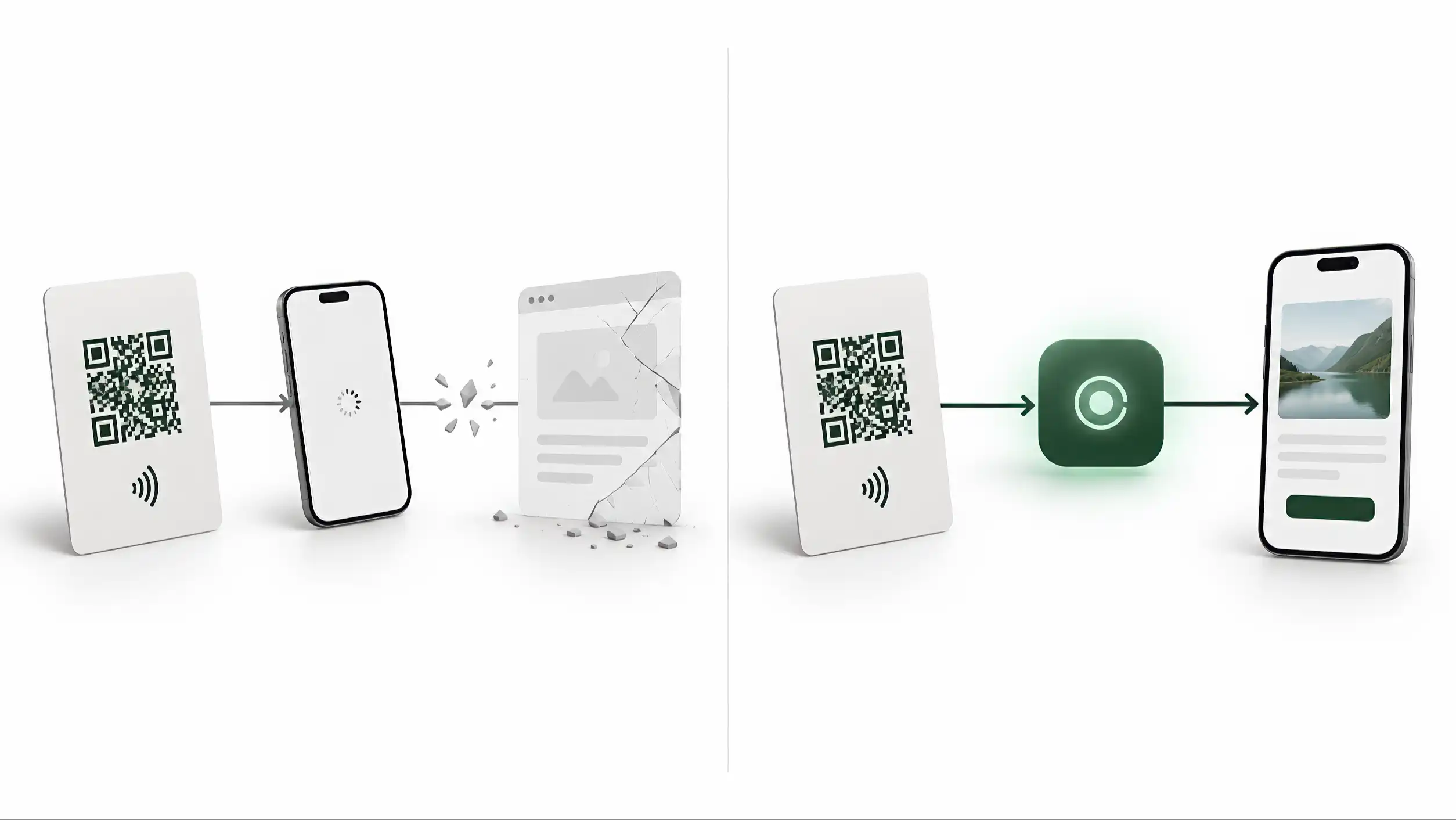
In a direct-destination architecture, the physical object contains the final page URL. A card might encode a specific employee page, a sign might encode a campaign landing page, or a product label might encode a particular content route. The arrangement is simple: scan or tap, then open that final page. Simplicity is useful, but it also couples the physical object to today’s implementation. If the final path is renamed, removed, transferred to another system, or no longer appropriate, the printed object still contains the old address.
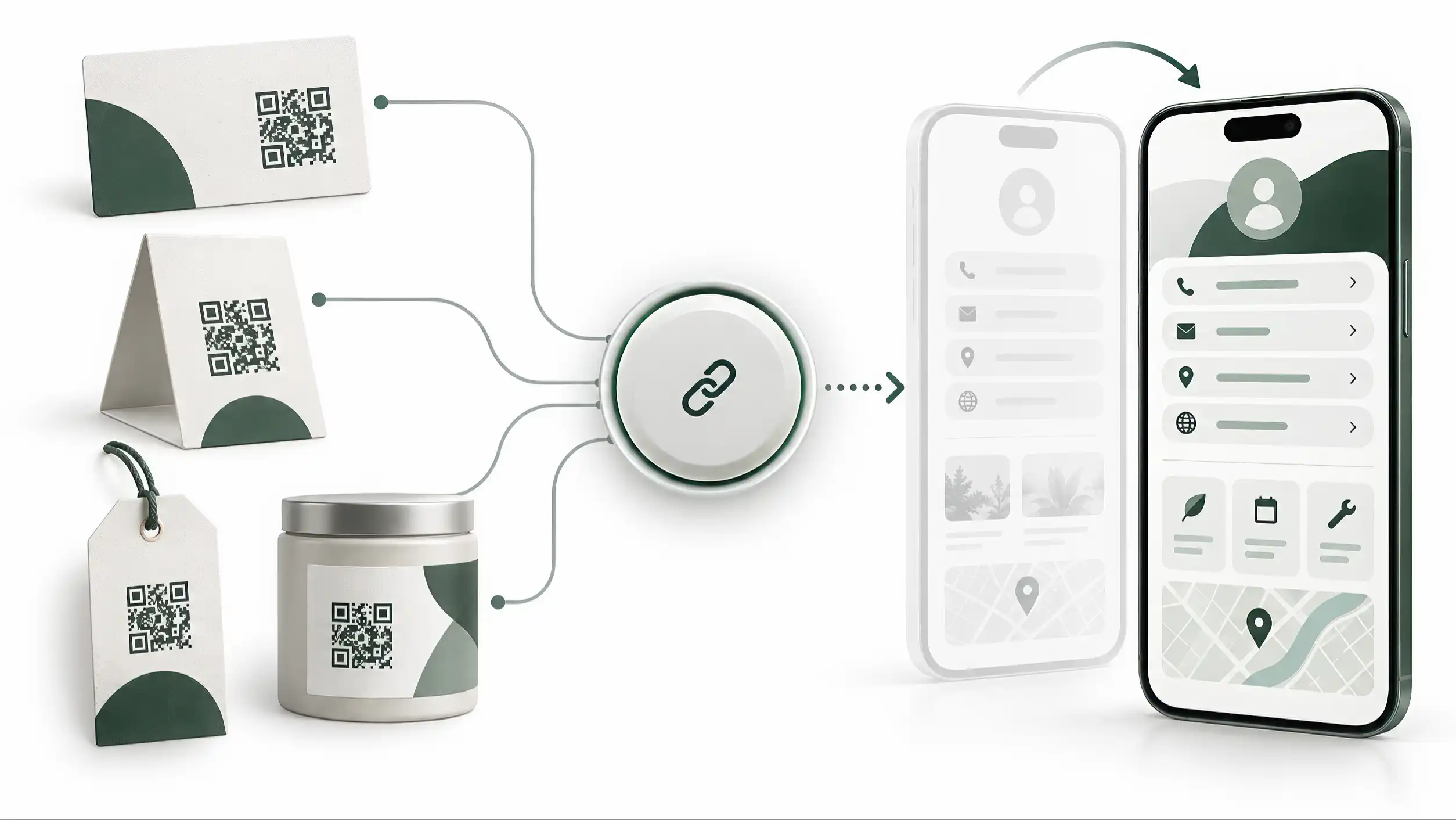
A gateway architecture inserts a durable public entry point between the physical object and the current destination. Instead of encoding the final content page, the object carries an identifier or controlled URL intended to survive ordinary change. The gateway receives that identifier and decides what current resource, profile, status, or service should be served. The physical object stays fixed; the managed mapping behind it can evolve.
This is the same architectural distinction that appears in mature Web systems: identification is not the same thing as representation. W3C Web Architecture describes URIs as identifiers for resources and treats persistence as a desirable property maintained through policy and consistent representation. Tim Berners-Lee’s “Cool URIs Don’t Change” makes the practical point even more directly: public identifiers become valuable because other people depend on them, so implementation changes should not casually force references to break.
The important word is “controlled.” A gateway hosted on a domain the business does not own, or in a third-party service with no export or migration plan, may look flexible while creating another dependency. A durable layer should reduce coupling, not merely move it to a vendor that can disappear.
This architecture also clarifies what “dynamic QR” really means in practice. The printed QR pattern is not remotely changing. A passive NFC tag is not silently rewriting itself every time a phone number changes. The physical code remains exactly what was manufactured. The dynamic behavior exists because the encoded public entry point resolves to content or routing that can be managed server-side.
That precision matters. It prevents customers from believing the physical code itself is editable and helps teams document what is actually permanent: the printed identifier. Everything behind it must be managed as a separate digital layer.
Persistence is a policy, not a property of the URL
A short URL is not automatically a permanent URL. A branded domain is not automatically a permanent domain. Even a path deliberately labelled “permanent” can disappear if the organization stops maintaining the infrastructure behind it. Persistence is not created by typography or naming. It is created by ownership, policy, and long-term operational commitment.
W3C’s Architecture of the World Wide Web states that URI persistence is a matter of policy and commitment by the URI owner. That is a useful corrective for physical products. Teams often spend time choosing a clean identifier format but less time deciding who will operate it five years later. The string can be beautifully designed and still fail if the domain expires, the resolver is removed, the route is deleted, the database mapping is lost, or responsibility for the service becomes unclear.
A durable public route therefore needs an owner. Someone must control the domain registration, DNS, TLS certificates, application routing, backups, and the records that map identifiers to current destinations. Those responsibilities can be distributed across technical teams, but the organization should know where they live and how they survive staff turnover or platform migration.
The identifier policy matters as much as the infrastructure. If an identifier is meant to represent a person-specific profile, the organization should avoid casually reusing that identifier for an unrelated person later. If it represents a role, location, asset, or product instead, reassignment may be legitimate because the identified resource was defined differently from the start. Persistence requires consistency of meaning, not merely keeping a server online.
This is one reason opaque or implementation-neutral public identifiers are often safer than URLs that expose internal technology. A public path such as `/d/ABC123` does not promise that a specific CMS, database, file name, or employee slug will exist forever. The internal system can change while the public identifier remains stable. W3C guidance on URI design similarly warns against embedding implementation details that are likely to become obsolete.
There should also be an explicit retirement policy. Some identifiers truly should stop resolving to active content: a revoked access item, a deleted asset, a product withdrawn for safety reasons, or a profile that must no longer expose personal information. Persistence does not mean pretending nothing was retired. It means handling retirement intentionally — perhaps with a neutral status page, a controlled successor route, or an appropriate HTTP response — instead of allowing a random broken page to become the user experience.
The central lesson is simple: if the physical object is expected to survive, the organization must treat the public identifier as long-lived infrastructure. “Permanent” is not a feature switch. It is a promise that must be operated.
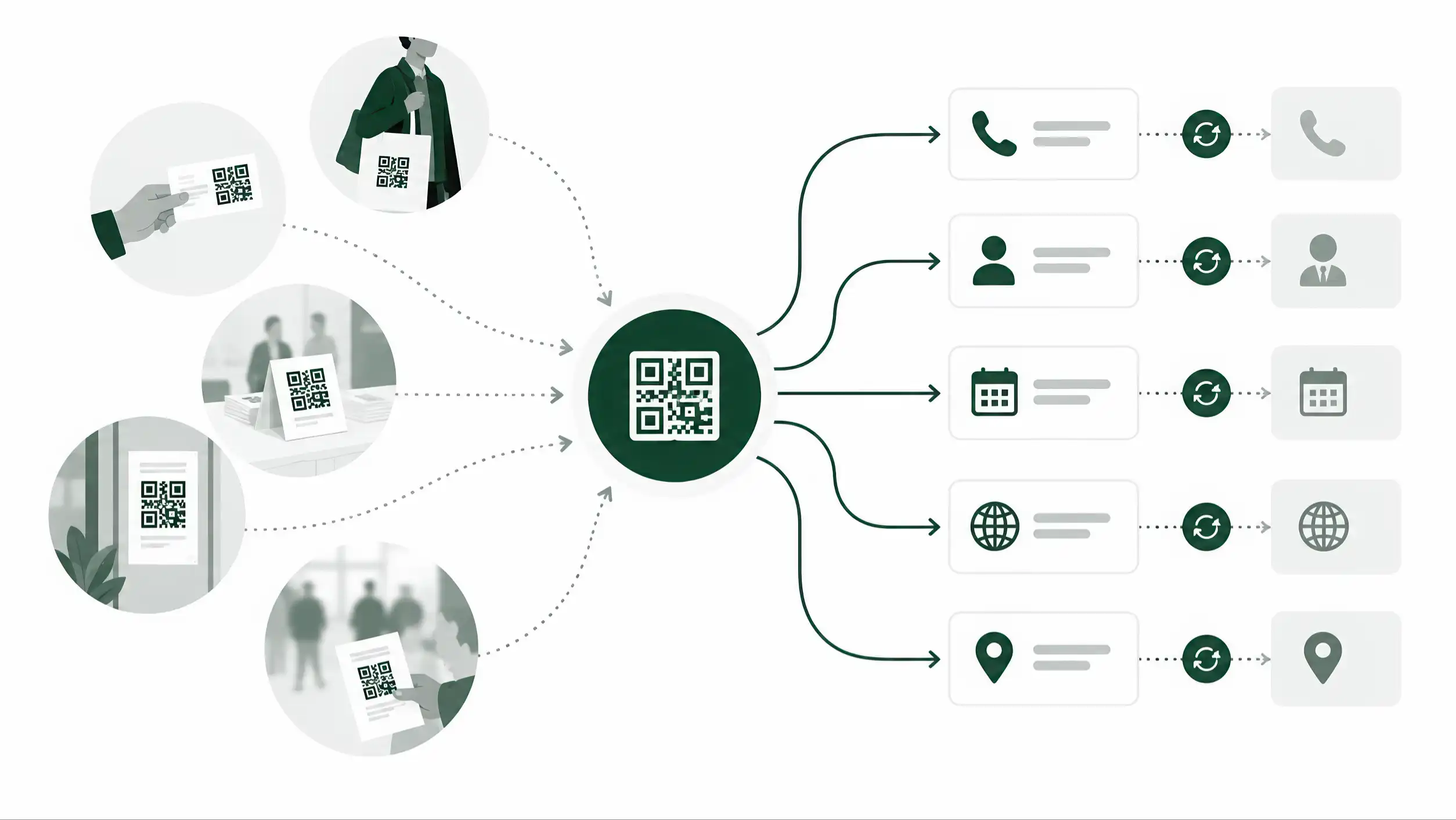
Decide what may change — and what must not
Once a stable entry point exists, flexibility becomes useful only if the system has clear boundaries. Not every field should be equally editable, and not every change should be treated as harmless.
The content layer can contain information that naturally evolves: phone number, email address, WhatsApp route, job title, branch address, opening hours, booking system, service list, product catalogue, social accounts, portfolio links, review destination, emergency contact, or profile description. Updating these fields is exactly the kind of change a managed digital layer should absorb without forcing a new physical object.
The public identifier is different. Its purpose is continuity. If customers have scanned, bookmarked, saved, shared, or received a particular identifier on a physical product, changing that public identifier without preserving the old route defeats the reason for having a gateway. The identifier should therefore be treated as immutable or at least externally stable according to a defined policy, even while the target content changes.
Ownership metadata is another category. The system should know who or what the identifier represents, when it was issued, whether it is active, who may edit it, and what history matters for audit or recovery. These records may change administratively, but they should not be casual profile fields. They are part of the control plane that keeps the public route trustworthy.
Security-sensitive changes deserve more friction than cosmetic changes. Updating a biography or profile photo is not equivalent to changing the destination of a widely distributed payment, booking, review, or account-recovery route. The greater the consequence of misdirection, the stronger the permission, approval, notification, or audit requirements should be.
This separation also protects against accidental damage. A user editing their profile should not be able to delete the identifier that keeps thousands of physical objects alive. A sub-user responsible for content may not need permission to unlink a gateway. A support operator resolving a customer request may need to suspend a route temporarily but not permanently transfer its ownership. Role design should reflect the lifecycle risk of each action.
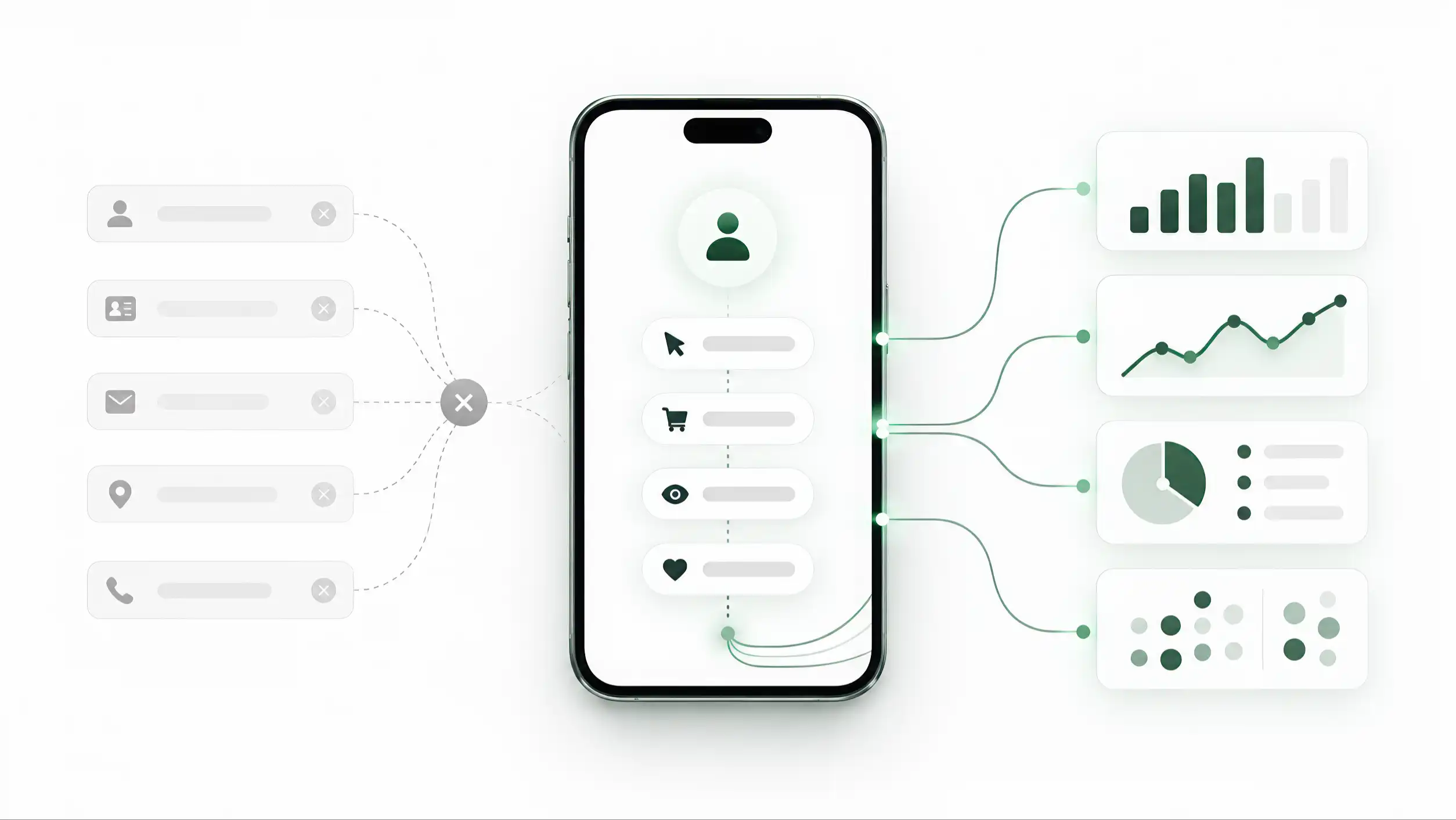
The practical architecture therefore has at least three layers: the physical identifier published on the object; the routing or resolution layer that controls what happens when the identifier is used; and the editable content presented to the visitor. Some systems combine these technically, but they should remain conceptually distinct. If the team cannot explain which layer a proposed change affects, it is difficult to govern the change safely.
A good lifecycle policy is not “everything is editable.” It is “the right things are editable by the right people, while the public reference remains dependable.”
Domain and platform migration must preserve the old public route
A stable gateway is only as durable as the infrastructure that remains able to answer it. This becomes most visible during migration. Businesses often redesign websites, replace hosting, change CMS platforms, consolidate brands, move applications, or adopt a new domain. Those projects are normal. The mistake is allowing the public identifiers already distributed in the physical world to disappear during the move.
If a printed object points to `old.example.com/d/ABC123`, changing the preferred site to `new.example.com` does not magically update the object. The old domain must continue to be controlled if the old identifier is expected to work. DNS, TLS certificates, routing, and redirects on that origin remain part of the migration plan. A redirect cannot help after the organization has surrendered the domain that receives the request.
HTTP provides standardized redirect mechanisms for this purpose. RFC 9110 defines permanent redirection status codes such as 301 and 308 for resources assigned a new permanent URI. The exact status code and method behavior matter more for developers than for customers, but the operational principle is simple: old public references need an intentional path to the new location.
The safest migration begins with an inventory of public identifiers before changing infrastructure. Which QR codes, NFC tags, short links, printed URLs, email signatures, partner materials, packaging, signs, or customer documents depend on the old system? Which identifiers are truly public and long-lived? Which are temporary campaign links that may be retired? Migration risk is difficult to manage if the team discovers these dependencies only after launch.
Next comes compatibility. A new platform does not need to reproduce the old internal implementation, but it should preserve the public contract. If `/d/ABC123` identified a particular profile yesterday, the new system should know how to resolve that identifier tomorrow. This may require importing mappings, retaining a compatibility service, or running an edge redirect layer in front of the new application.
Monitoring matters after migration. Teams should test real physical items, not merely browser bookmarks. Scan old QR codes, tap old NFC products, test multiple languages and account states, verify HTTPS, and check that no redirect loop or unexpected login has appeared. Logs can help identify old routes that are still used and reveal identifiers missed during planning.
Finally, set a retention horizon deliberately. Some organizations keep old public routes indefinitely because the physical products have no controlled recall date. Others can define an end-of-life policy for a product class. What matters is that the decision follows the lifecycle of the distributed object rather than the convenience of the latest website project.
A migration is successful only when the new system works and the old public promises still resolve as intended.
Offboarding and reassignment reveal whether the identifier has a clear meaning
Employee departures are one of the clearest tests of identifier design because they force the organization to answer a basic question: what did the physical item identify in the first place?
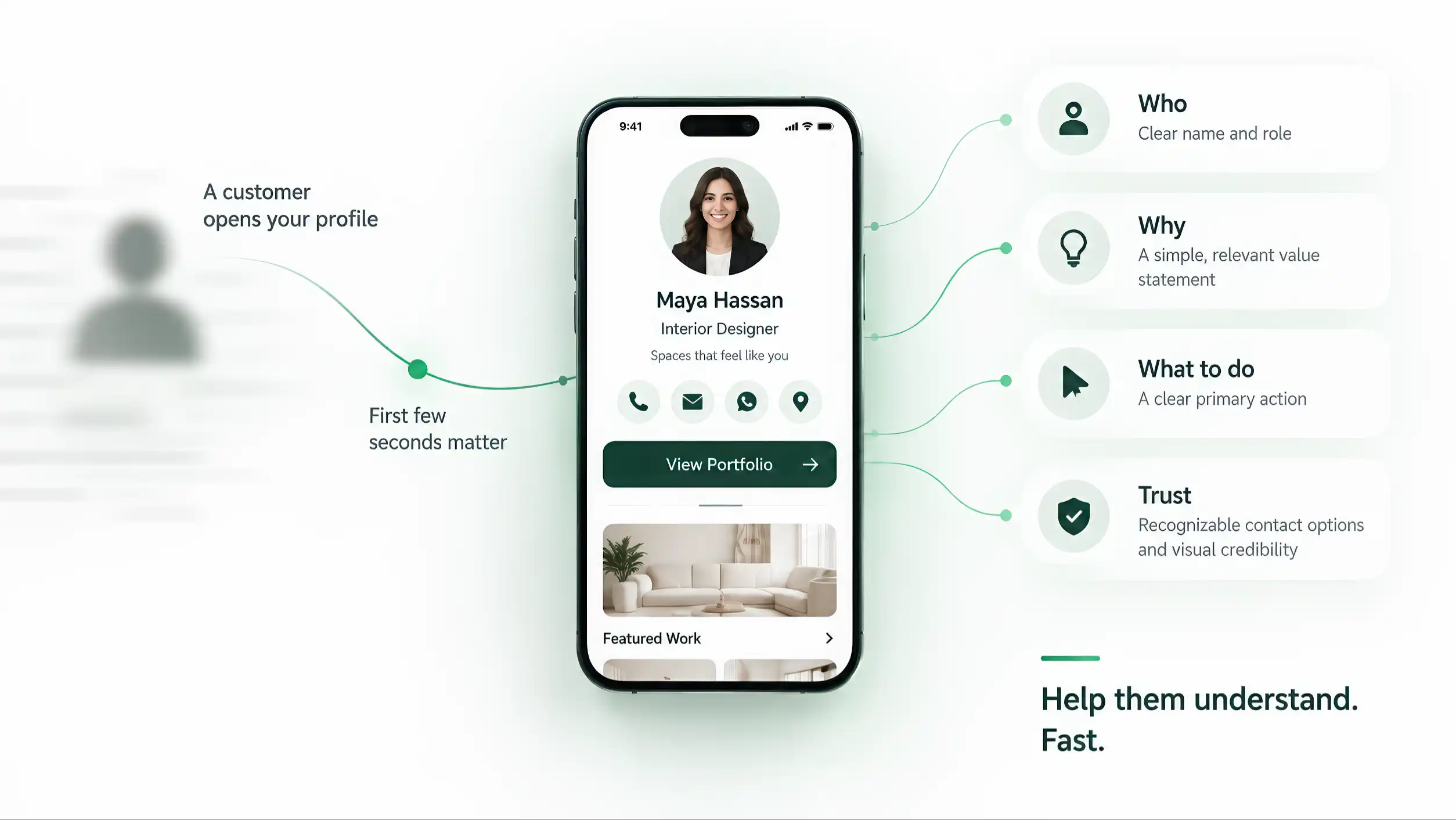
If a business card identifier was issued to represent a specific person, silently pointing that identifier to a different person after the employee leaves creates a semantic and trust problem. A customer may scan a card received from Ahmed and unexpectedly reach Sara. The technology still “works,” but the public reference no longer means what the recipient was given to understand. A stable identifier should preserve continuity of meaning, not merely continuity of traffic.
A person-specific identifier therefore needs an offboarding path. Depending on the business, the old route might show a neutral status message, route to the organization’s main contact point, identify a successor while clearly explaining the change, or remain available for a defined transition period. The exact policy varies, but the transition should be intentional and understandable.
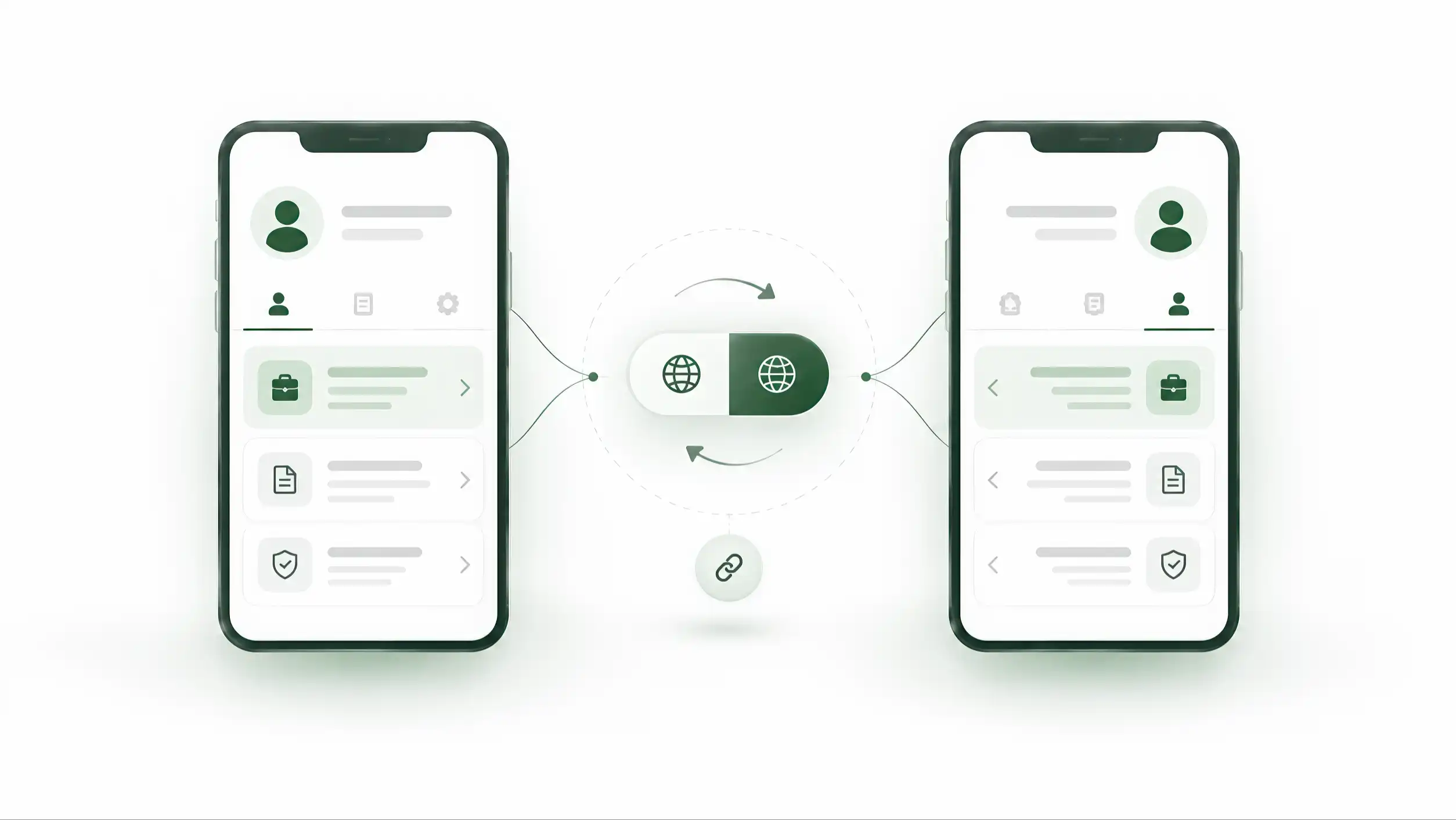
Role-based identifiers are different. A card or stand that clearly represents “Sales Manager,” “Front Desk,” “Branch A,” or “Customer Support” may legitimately resolve to a different individual over time because the resource being identified is the role or service point, not the previous employee. The physical design and digital page should make that distinction visible so customers are not misled.
Ownership transfer matters for assets too. A pet tag, product tag, equipment label, membership object, or reusable stand may move between owners or contexts. The system should define whether transfer changes the identity of the resource, changes only the authorized editor, or requires issuance of a new identifier. There is no universal answer; what matters is consistency with the original identifier model.
Deactivation is another lifecycle state. “Deleted” is often too crude. A physical object may remain in circulation after a profile is disabled. The system may need states such as active, suspended, transferred, retired, or revoked, with different visitor experiences and different editing permissions. A controlled status page can be safer than exposing stale personal information or returning a generic server error.
Good offboarding also includes access control. Former employees should lose editing rights promptly, shared credentials should not survive departures, and high-impact routing changes should be attributable. If the identifier is valuable because it persists, control over that identifier is itself a business asset.
This is why lifecycle design cannot be reduced to “can I edit the phone number?” The harder question is “what does this identifier continue to mean when the person, owner, or organization around it changes?”
Distribution turns link design into infrastructure
A weak link architecture can remain invisible at small scale. If ten internal cards point to a page that later changes, the business can reissue the cards and move on. The same mistake across thousands of customer-facing objects is different. Distribution multiplies the consequences of every lifecycle decision.
The cost is not limited to printing. Reproduction may require design work, production scheduling, materials, personalization, packaging, shipping, installation, staff time, customer communication, partner coordination, and disposal of obsolete stock. Some distributed objects cannot be recovered at all. A QR code printed in a manual or attached to packaging may continue circulating long after a replacement version exists.
There is also a trust cost. A customer who scans a professional-looking product and reaches a dead page, unrelated profile, expired campaign, or browser warning does not see “a routing migration issue.” They see a product that failed. The physical quality of the card or stand cannot compensate for a broken digital promise.
This is why identifier architecture deserves the same seriousness as other long-lived product decisions. Before a large production run, teams routinely verify dimensions, materials, colors, NFC placement, print quality, and packaging. The public route should have its own acceptance criteria: ownership confirmed, identifier policy documented, destination editable where appropriate, old routes preserved, domain controlled, fallback behavior defined, and recovery tested.
GS1’s resolver model provides a useful large-scale example. A GS1 Digital Link URI can identify an entity while a resolver redirects users to related information or services. The current GS1 Resolver Standard explicitly notes that the redirect can be updated without changing or reprinting the identifier encoded on the product. The business context is different from a digital business card, but the architectural lesson is directly relevant: durable identification and changeable online information can be separated.
Scale also changes governance. When there are ten identifiers, a spreadsheet and manual checks may be enough. At ten thousand, teams need systematic provisioning, permissions, monitoring, audit history, export, backup, and migration procedures. The lifecycle problem becomes an operational system rather than a collection of links.
This does not mean every small business needs enterprise infrastructure on day one. It means the architecture should avoid choices that make future scale unnecessarily expensive. A simple stable gateway with clear ownership is often more valuable than a complicated feature set built on disposable links.
The design test is therefore not “Can we print this?” It is “Can we still support what we print after distribution becomes difficult to reverse?”
Define the lifecycle before the first batch is produced
The best time to solve link continuity is before the identifier is printed, encoded, engraved, or shipped. After distribution, every correction becomes harder. A lifecycle review should therefore be part of product approval, not an emergency procedure created after a failure.
Start with identity. What does the public identifier represent: a person, role, organization, branch, product, asset, animal, service point, campaign, or temporary event? The answer determines whether reassignment is valid later and what visitors should see when ownership changes.
Then confirm ownership. Which organization controls the domain? Who owns the account that manages identifiers? Can access survive the departure of a founder, developer, agency, or employee? Are recovery methods tied to company-controlled email and authentication? A stable identifier is fragile if control over it depends on an individual’s personal account.
Define mutability. Which fields can the normal user edit? Which routing changes require an administrator? Can a sub-user delete or unlink the public identifier? Is there a difference between updating profile content, changing the resolved destination, suspending an item, and permanently retiring it? Permissions should match consequence.
Plan migration before migration is needed. Document how identifiers are exported, what database or mapping data must be preserved, how an old domain will redirect, and how long old routes must remain active. Keep the public format independent of internal post IDs, temporary slugs, or vendor-specific implementation details where possible.
Define failure behavior. What should a visitor see if a profile is suspended, deleted, expired, transferred, or temporarily unavailable? What happens if the destination returns an error? Does the system expose stale personal data? A professional lifecycle includes degraded states, not only the happy path.
Create a test set of real physical samples and keep them. After major releases, domain changes, routing changes, or infrastructure migrations, retest old samples. They are a practical regression suite for the promise made by the physical product. Automated monitoring can complement this by checking representative identifiers and alerting when they stop resolving as expected.
Finally, document the policy in language that product, support, sales, and technical teams can all understand. Customers should know what can be updated. Operators should know what must not be changed casually. Developers should know which public contracts are long-lived. Support staff should know what to do when ownership changes or an old product is still in circulation.
The physical object is fixed; the digital system behind it does not have to be. Good architecture separates those lifecycles without pretending they are independent. The printed identifier creates a long-term obligation. The managed digital layer gives the business the flexibility to honor that obligation as information changes.
That is the standard worth applying before production: publish a reference you are prepared to keep, then make everything behind it intentionally manageable.
Sources
- Cool URIs Don't Change — Tim Berners-Lee — World Wide Web Consortium (W3C)
- Architecture of the World Wide Web, Volume One — W3C Technical Architecture Group
- Architectural Styles and the Design of Network-based Software Architectures — Roy Thomas Fielding — University of California, Irvine
- GS1-Conformant Resolver Standard — GS1 standards community
- RFC 9110 — HTTP Semantics — IETF / RFC Editor — Fielding et al.