The tap removes a step — it does not complete the journey
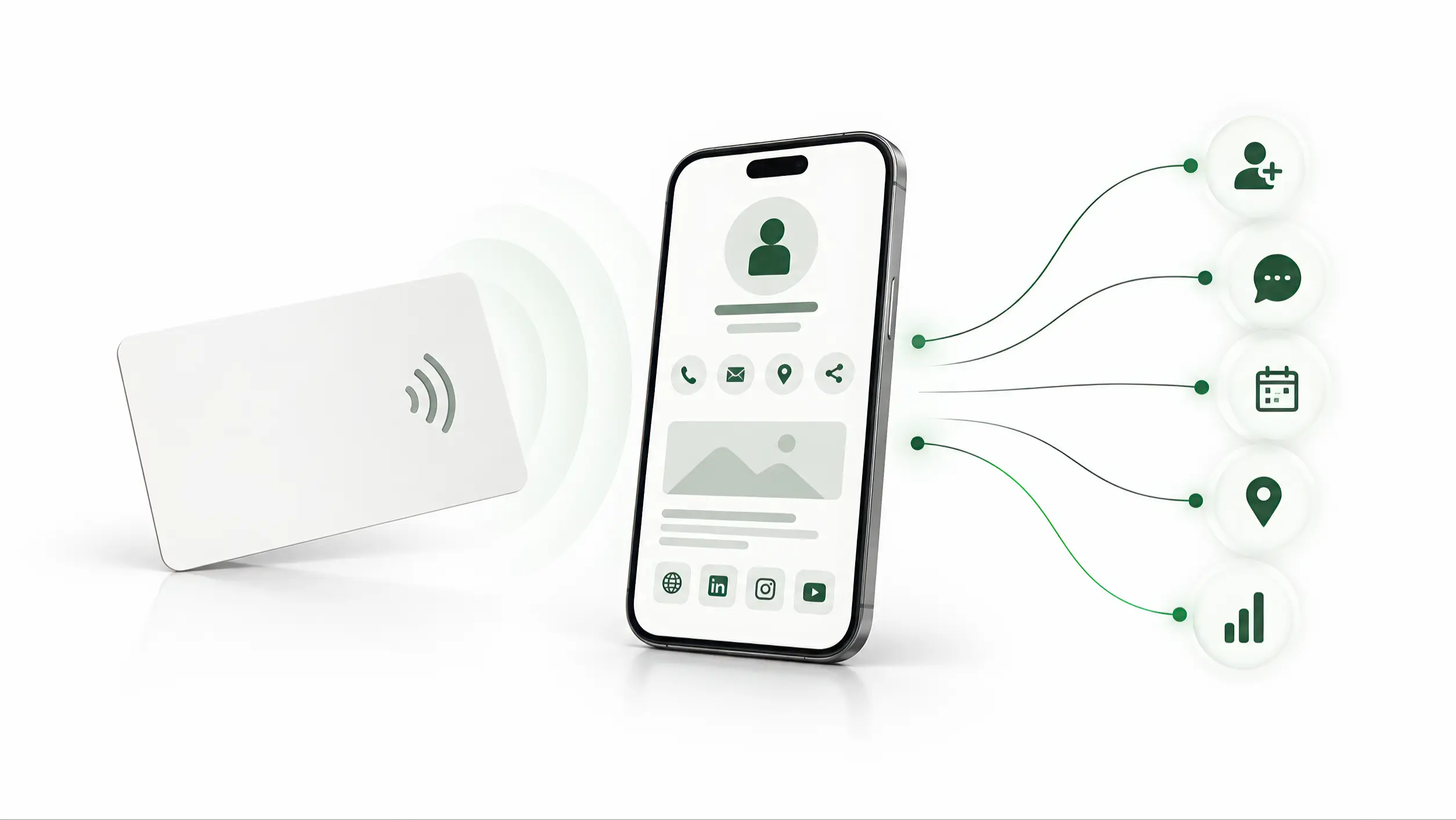
NFC is designed around a short-range, tap-based interaction. In a typical business-card use case, the phone reads information from the NFC tag and can present a web address for the user to open.
That is useful because it removes manual work. The customer does not need to type a phone number, search for a social account, or copy a long URL from a printed card.
But the tap does not complete the customer journey. It only changes the starting point. The quality of the experience still depends on the destination that opens next.
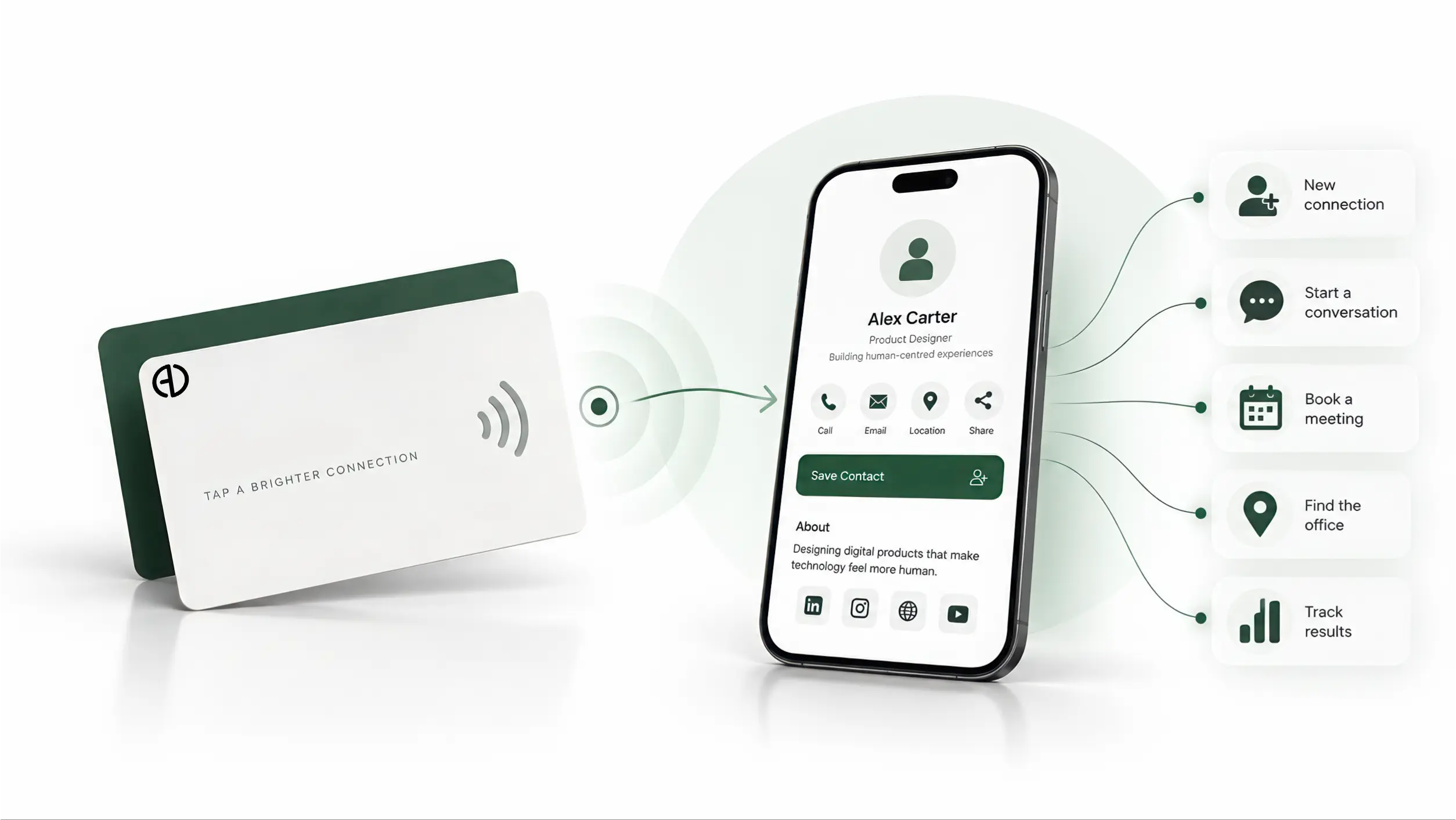
What the phone is actually doing?
NFC, or Near Field Communication, is a short-range wireless technology. Researchers and technical authors such as Vedat Coskun, Kerem Ok, Busra Ozdenizci, and Mike Hendry describe NFC as both a communications interface and a way to initiate actions quickly from a mobile device.
For a business-card interaction, the sequence is usually simple: the phone detects the tag, reads a small data record, and presents the associated action or destination. In many cases that destination is a URL.
The important point is that the physical card and the digital destination are separate layers. The card starts the interaction; the destination carries the information and actions.
Good NFC design reduces effort before and after the tap
The value of NFC is not that it looks futuristic. Its practical value is that it can reduce the number of steps between meeting someone and reaching useful information.
Don Norman’s work on human-centered design emphasizes that systems should make intended actions understandable and reduce unnecessary cognitive effort. The same principle applies here: if the tap saves one step but the next page is confusing, the friction has only been moved.
The strongest experience keeps the path simple on both sides of the tap.
The destination should answer the first questions quickly
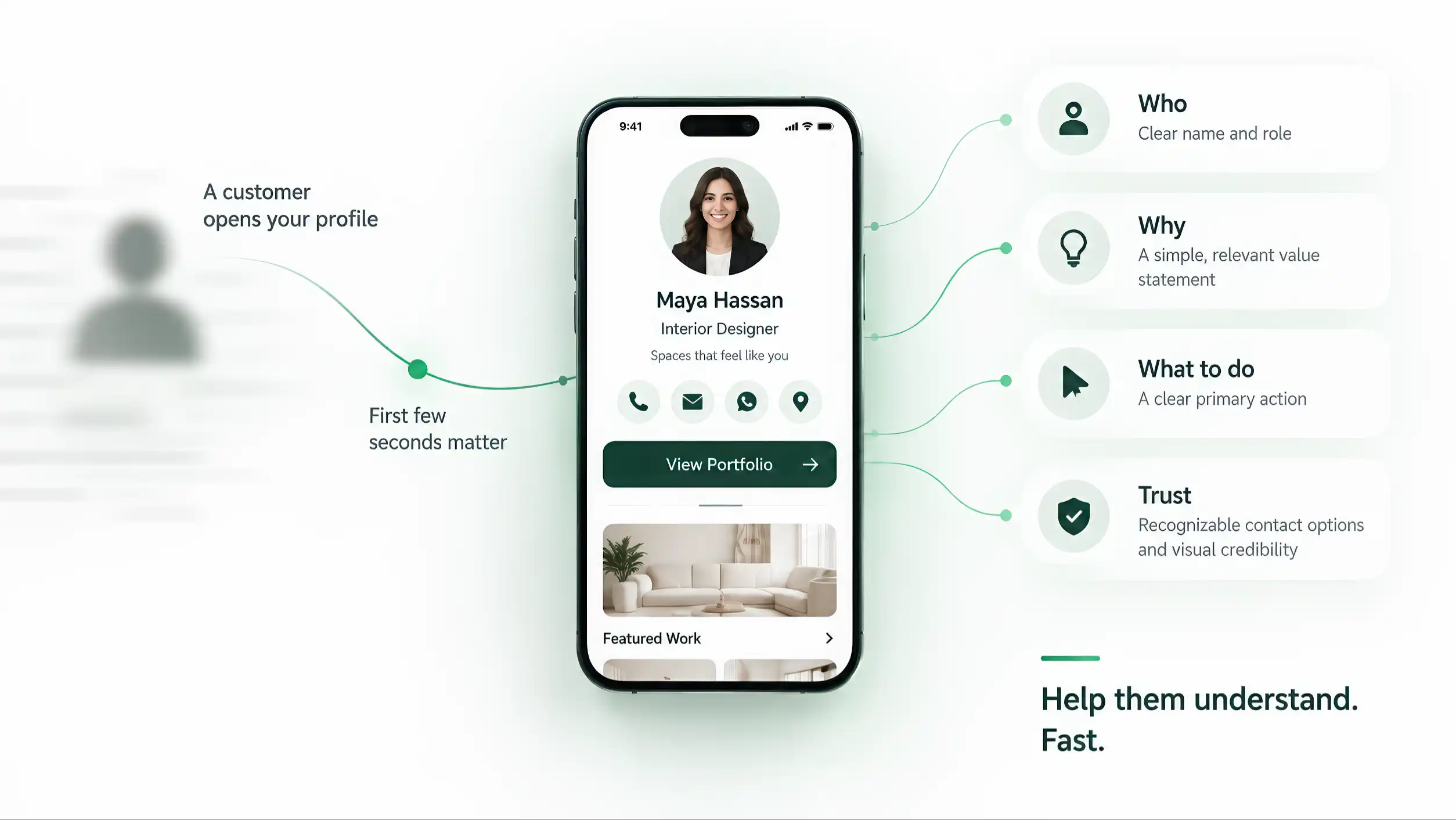
Once the profile opens, the visitor should not have to investigate the interface before understanding it.
The first screen should quickly establish who the profile belongs to, what the business or person does, and which action matters most. Depending on context, that action may be WhatsApp, a call, saving contact details, booking, directions, a website, services, or a review route.
More actions are not automatically better. Clear hierarchy is more useful than giving every button equal visual weight.
The physical card can stay while the digital content changes
A printed or manufactured card is fixed after production, but the information behind a web destination does not have to be.
This is where persistent-link architecture matters. Tim Berners-Lee’s long-standing guidance on web identifiers is simple: stable URIs are valuable because references should not break merely because implementation or content changes.
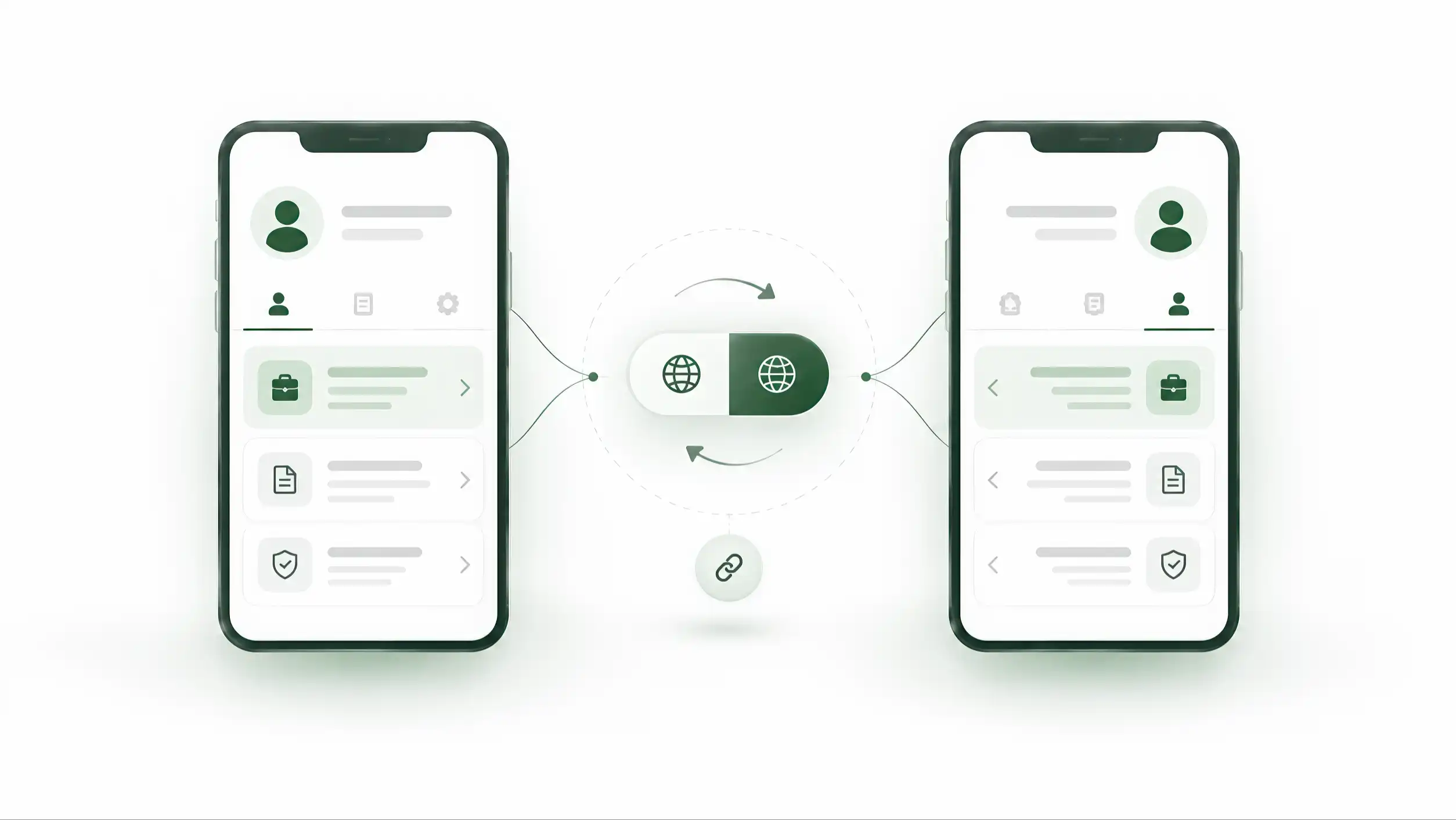
Applied to an NFC card, a stable gateway or identifier can let the physical entry point remain the same while the digital profile behind it is updated. That can reduce the risk of cards becoming operationally obsolete when contact details, roles, services, or destinations change.
Measure what happens after access
A tap confirms that the physical entry point was used. It does not prove that the visitor found value.
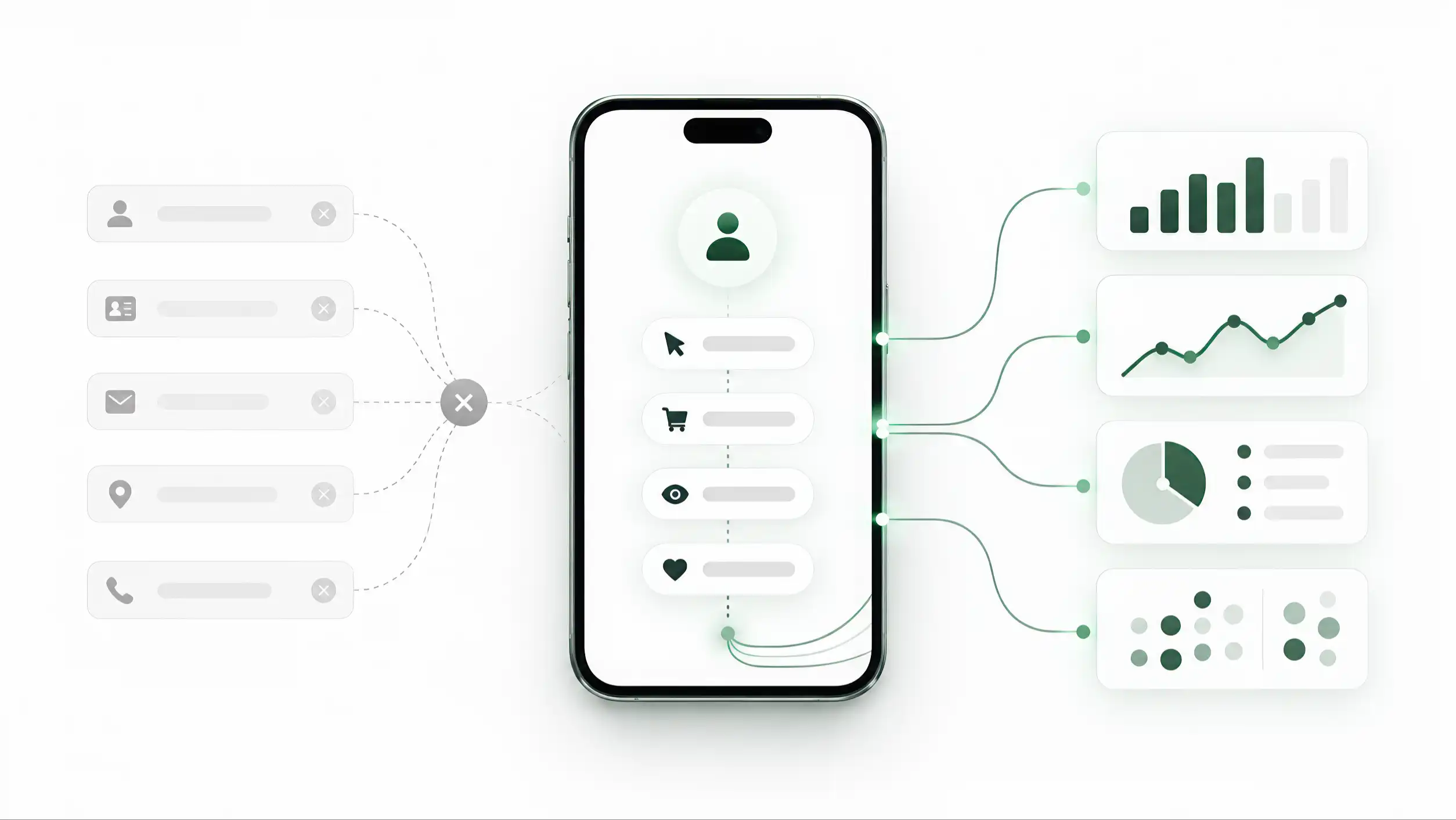
Useful measurement begins after the destination opens. Depending on the business, relevant signals may include successful page opens, time on the profile, contact saves, WhatsApp taps, calls, bookings, directions, service views, or other high-intent actions.
The tap is an access event. The business value appears in the behavior that follows.
The best NFC experience makes the technology feel invisible
A strong NFC business card should not force the customer to think about NFC itself.
The interaction should feel like a natural shortcut: tap, understand, act. If the user spends more time figuring out the technology or the page than reaching the intended information, the experience has failed its main purpose.
The technology is successful when it removes work instead of becoming the center of attention.
The practical standard: tap → clear destination → useful action
The practical test of an NFC business card is not whether the tag reads. That is only the technical minimum.
A better standard is whether the interaction reliably moves a visitor from a physical meeting to a clear digital destination and then to a useful next action with as little unnecessary effort as possible.
That is where NFC becomes more than a feature on a card. It becomes part of a controlled customer journey.
Sources
- Near Field Communication (NFC): From Theory to Practice — Vedat Coskun, Kerem Ok, Busra Ozdenizci — Wiley
- Near Field Communications Technology and Applications — Mike Hendry — Cambridge University Press
- The Design of Everyday Things — Don Norman — MIT Press / Basic Books
- Cool URIs Don't Change — Tim Berners-Lee — World Wide Web Consortium (W3C)